
About Southern Maine Siding
Framing in 1996, vinyl and cedar in 2003, siding only from 2011.
Raised in Standish and living in Gorham today, Jeff Wentworth runs the crew out of our Westbrook office. Every wall gets his own eyes and hands before a price is written, and siding installation and repair make up our entire trade.
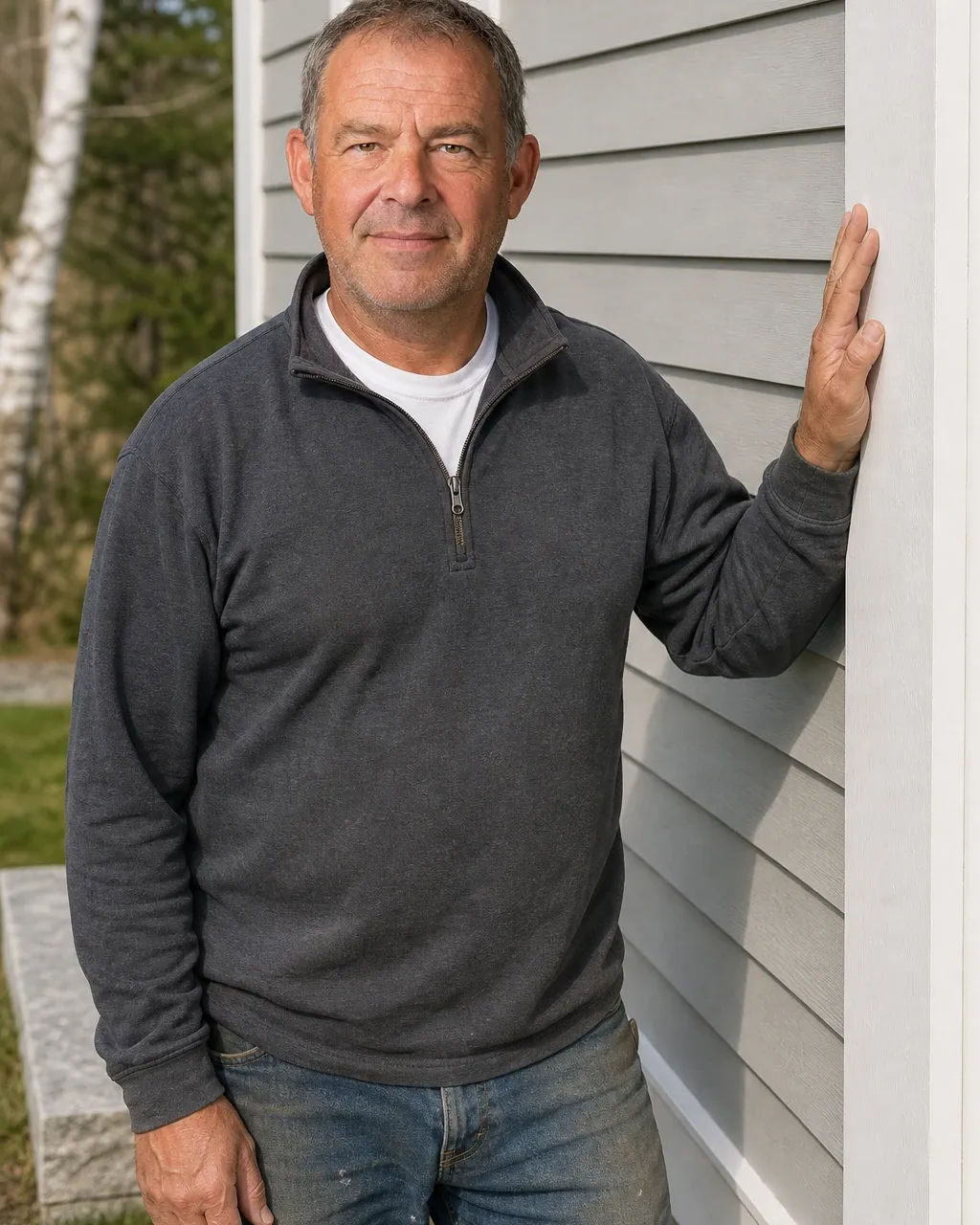
Jeff Wentworth
Owner, Southern Maine Siding
- Siding is all we do
- Free estimate requests
- 22 towns, Kittery to Brunswick
Where Did Jeff Wentworth Learn to Read a Wall?
Jeff Wentworth learned to read a wall on framing crews, starting in 1996 with new houses going up on subdivision roads west of Portland. He grew up in Standish, and for most of his twenties the work never took him far from Sebago Lake.
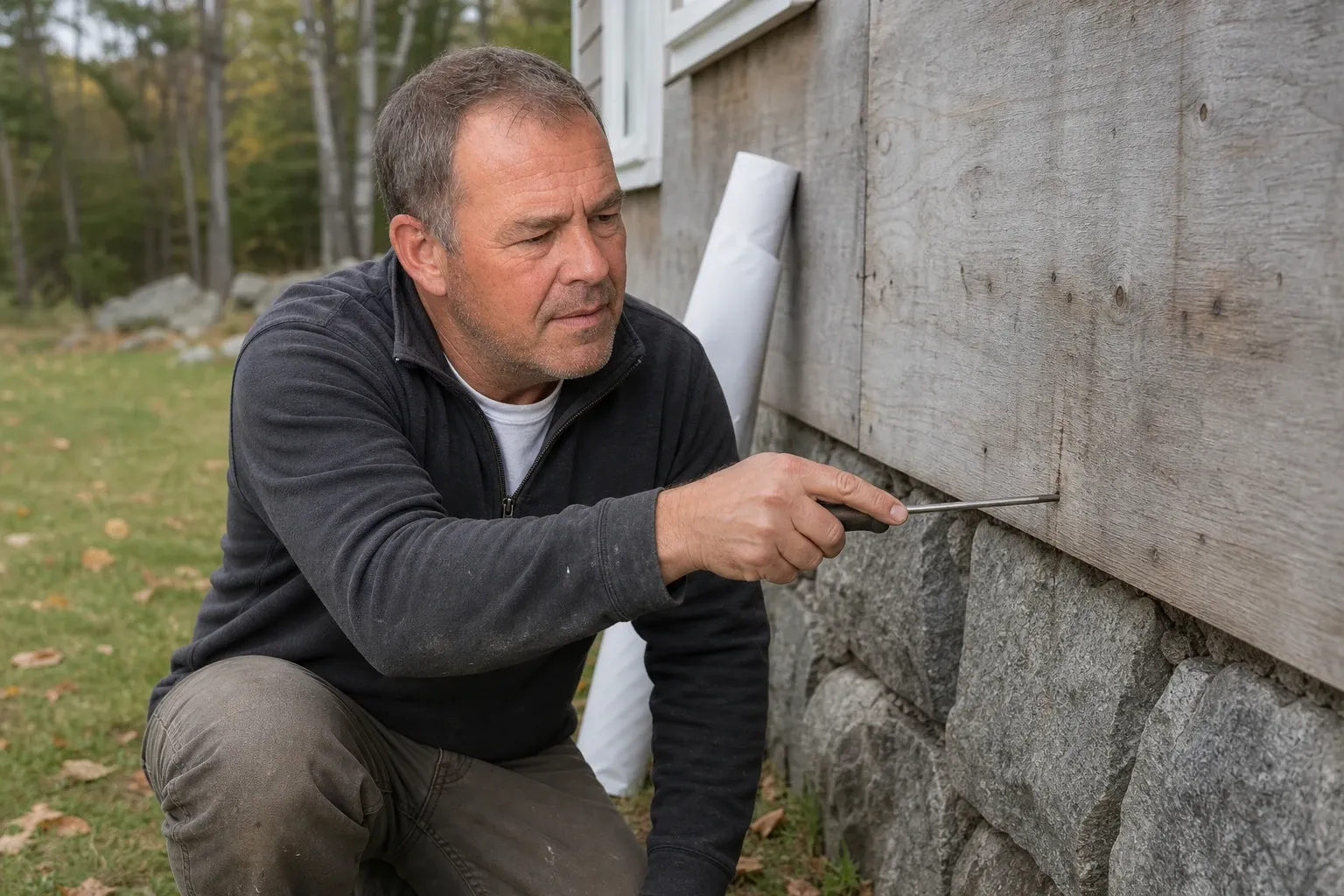
Framing additions onto older houses taught him the most. Each time the crew cut into an old wall to tie in new rooms, the sheathing showed exactly where water had been getting behind the clapboards.
That rot was rarely random. It sat under window corners with no flashing, along the bottom course where rain splashed back, and where a roof edge met the wall with no kick-out to turn the water away.
Why Did Jeff Narrow His Work to Siding?
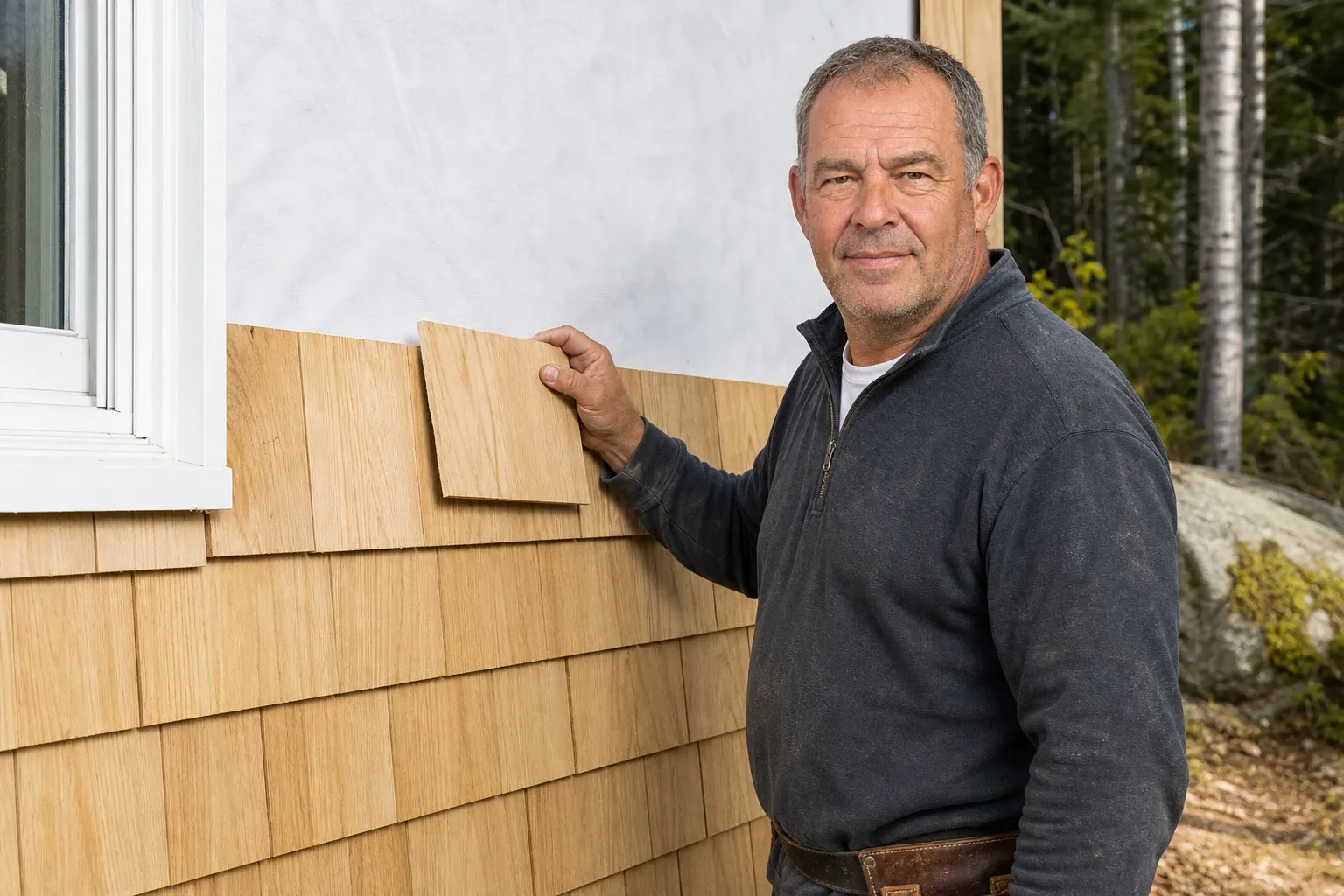
Jeff narrowed his work to siding because the outside layer of a house decides whether the frame under it lasts or rots. From 2003 he hung vinyl on capes and ranches and laid cedar shingles on cottages, still framing between those jobs.
Cedar taught him patience, from two nails per shingle to joints that never line up with the course below, the details the Cedar Shake and Shingle Bureau sets out in its sidewall manuals. By 2011 he had put the framing work down, and re-siding houses became the whole job.
Working only on walls trains the eye for them. Jeff can tell a south wall whose shingles curled in the sun from one nailed too tight, and a vinyl wall that waves in August from one hung loose enough to move.
What Will We Tell You Before the Old Siding Comes Off?
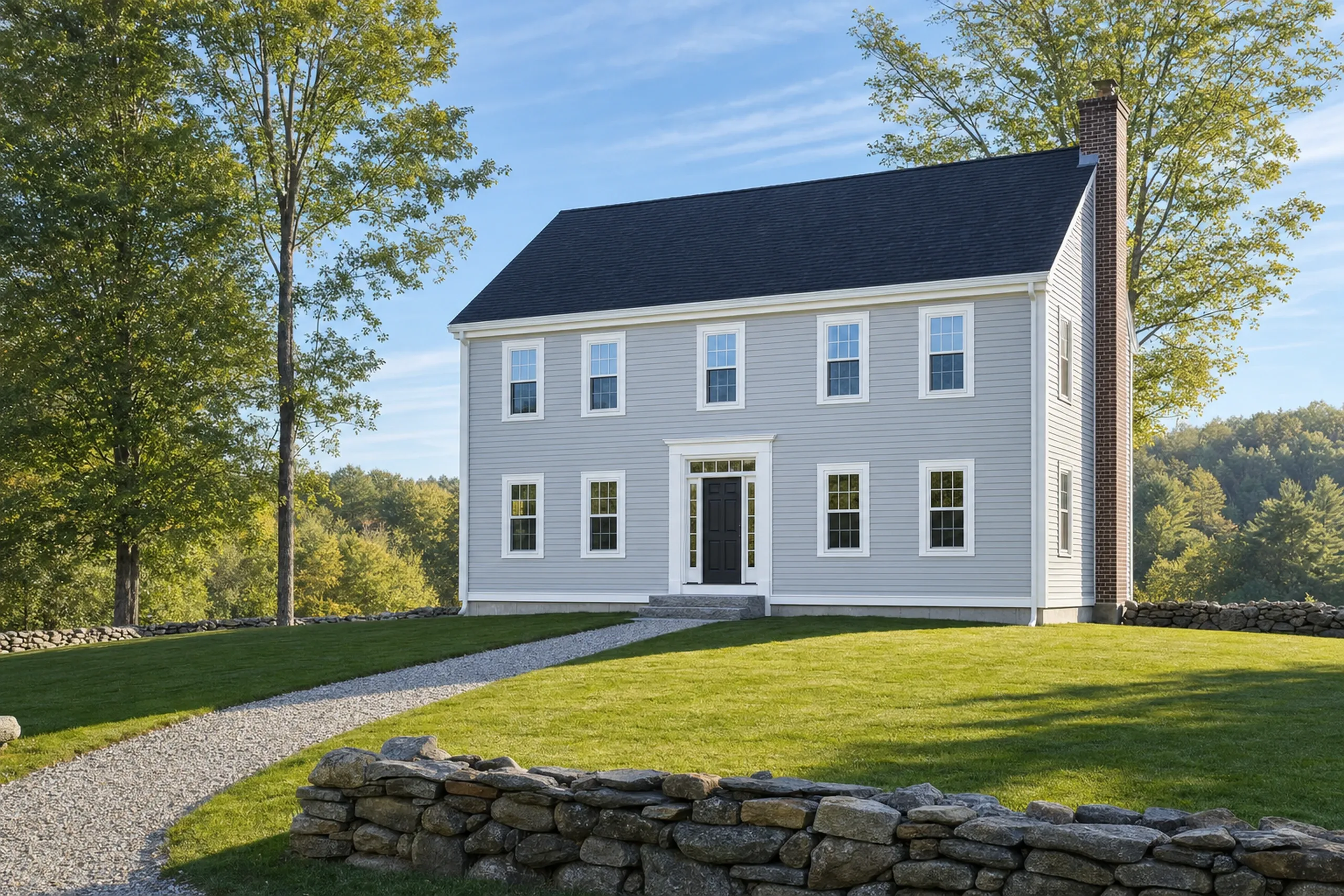
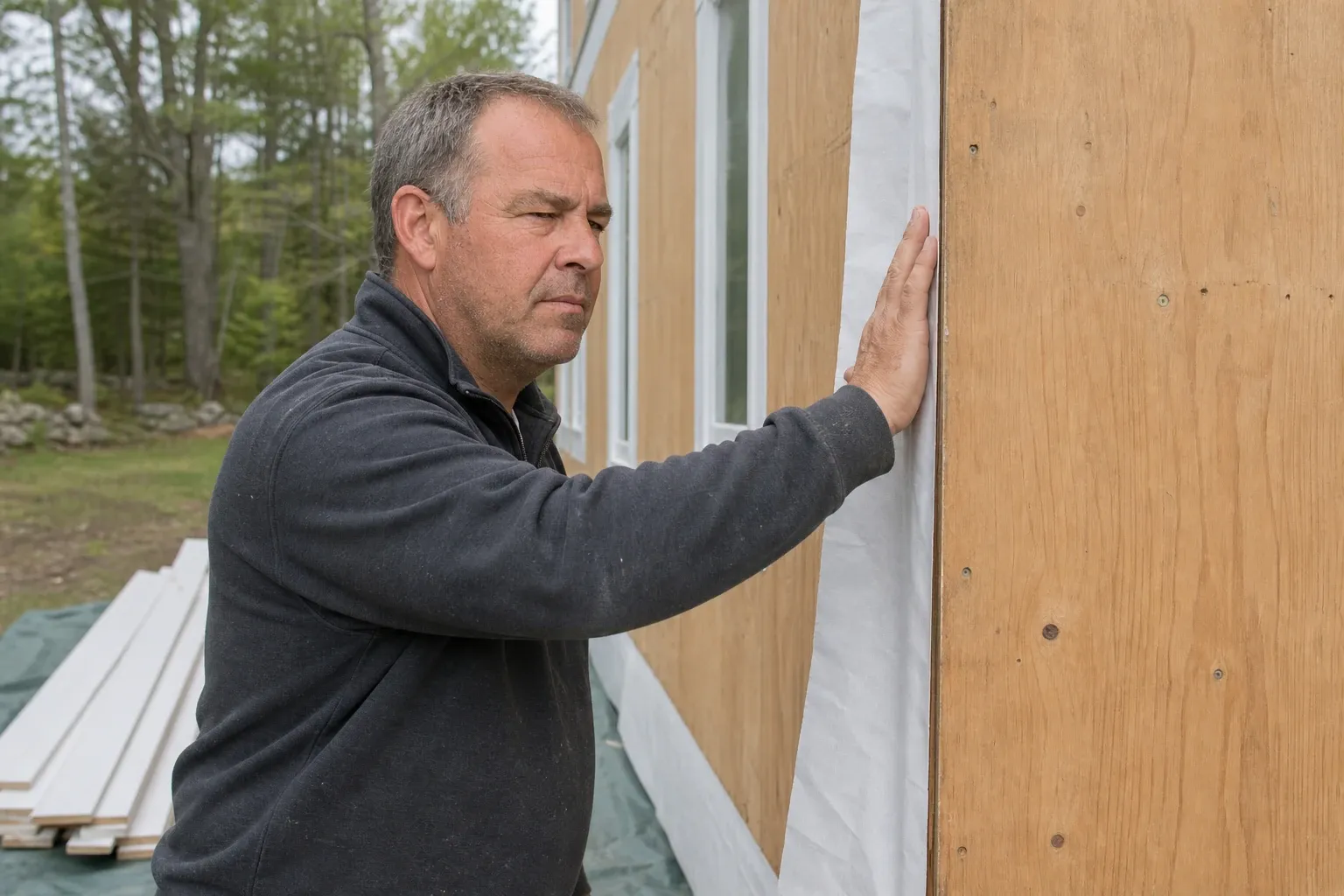
Before the old siding comes off, we tell you what we expect to find under it and what we would do about each problem. When the sheathing feels sound at the sills and window corners, we say so, and the price is written for a clean wall.
When a soft spot turns up, the written price spells out how rotted sheathing or a bad sill gets fixed once that wall is open. Rotted wood comes out, and we never bury it under new siding.
Sometimes the honest advice is to leave the old layer in place. Over asbestos-cement shingles, or clapboards with lead paint on a house built before 1978, new siding over the old is often the lower-cost and less disruptive route, and EPA's Renovation, Repair and Painting rule is why we ask about the paint first.
How Do We Price a Siding Job?
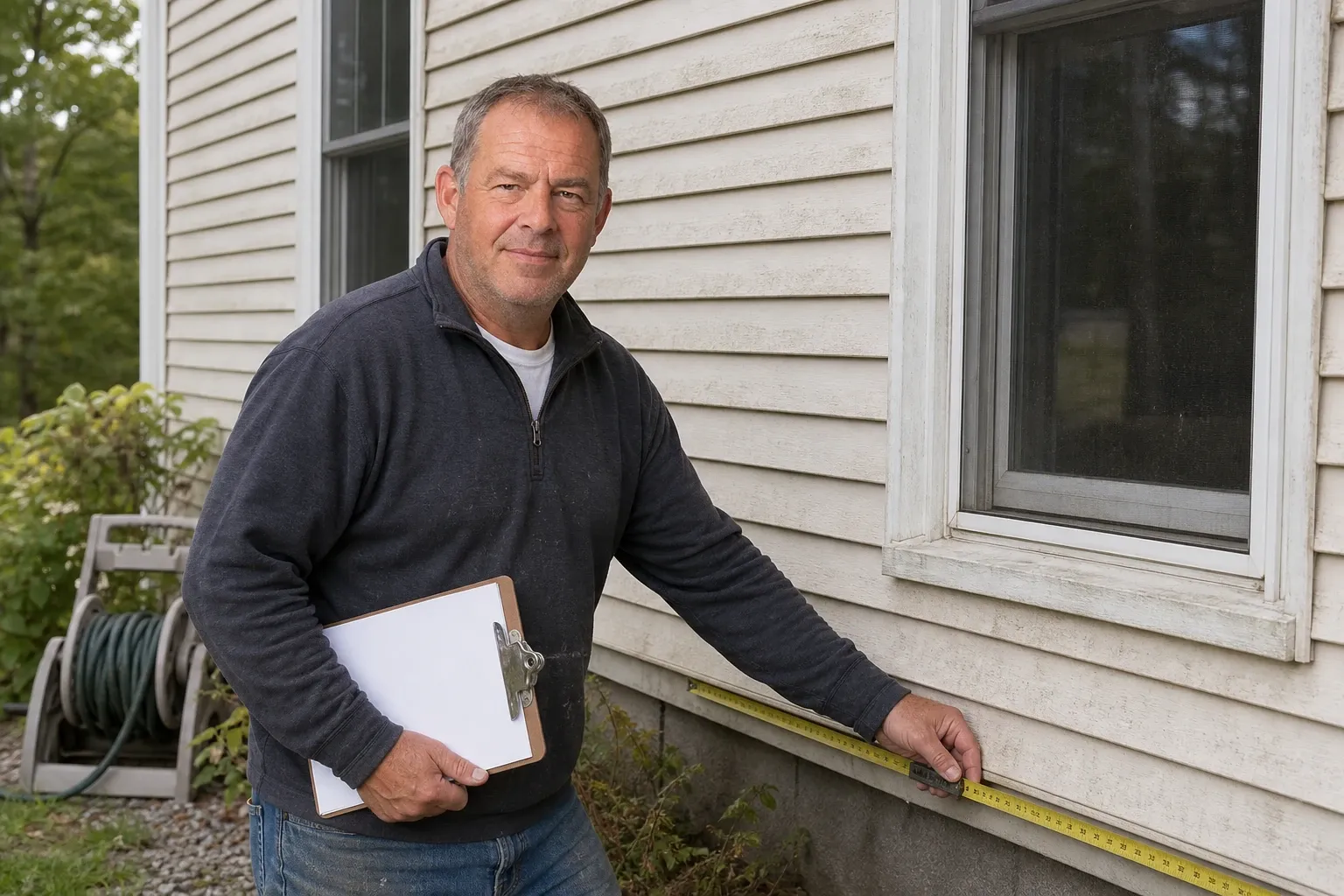
We price a siding job by the square, meaning 100 square feet of wall, after measuring every side of the house in person. Wall heights, windows and doors and the run of trim all go on the sheet, because a two-story gable takes more staging than a one-story wall.
The written price names the material, the housewrap, the flashing at each opening, the corner boards and trim, the tear-off and the haul-away. It also states how any rot under the old siding would be priced, so you know that figure before work starts.
Every price range on our pages averages many quotes and was never figured for your house. Your own number comes from measuring your own walls, and nothing gets ordered until you sign.
Which Facts Should You Have Before You Hire Us?
Siding is all we do. We install James Hardie fiber cement, cedar shingles, vinyl and LP SmartSide, and we repair the siding already on a house, while roofs, windows, gutters and decks go to other trades.
Maine does not license siding contractors, and we will never claim a license the state does not issue. In a town with a local historic district, the town's review comes before the siding does, and the Maine Historic Preservation Commission serves as Maine's historic preservation office.
Your price and contract come on paper. Under 10 MRSA §1487, any siding job over $3,000 goes on a written contract carrying both your signature and ours, and the deposit is capped at a third of the contract price.
What Happens on a Re-Side, From Visit to Walkaround?
A re-side with us runs from a first visit at your house to a final walkaround, and the work in between moves one wall at a time. Where your town requires a permit, we file for it, and whether to approve it is always the town's call.
On each wall the old siding comes off, the sheathing is checked and repaired, the housewrap is lapped and the openings are flashed before new siding and trim go on. Only then is the next wall opened, so the house is never stripped on every side, and the old siding is hauled away as each wall is finished.
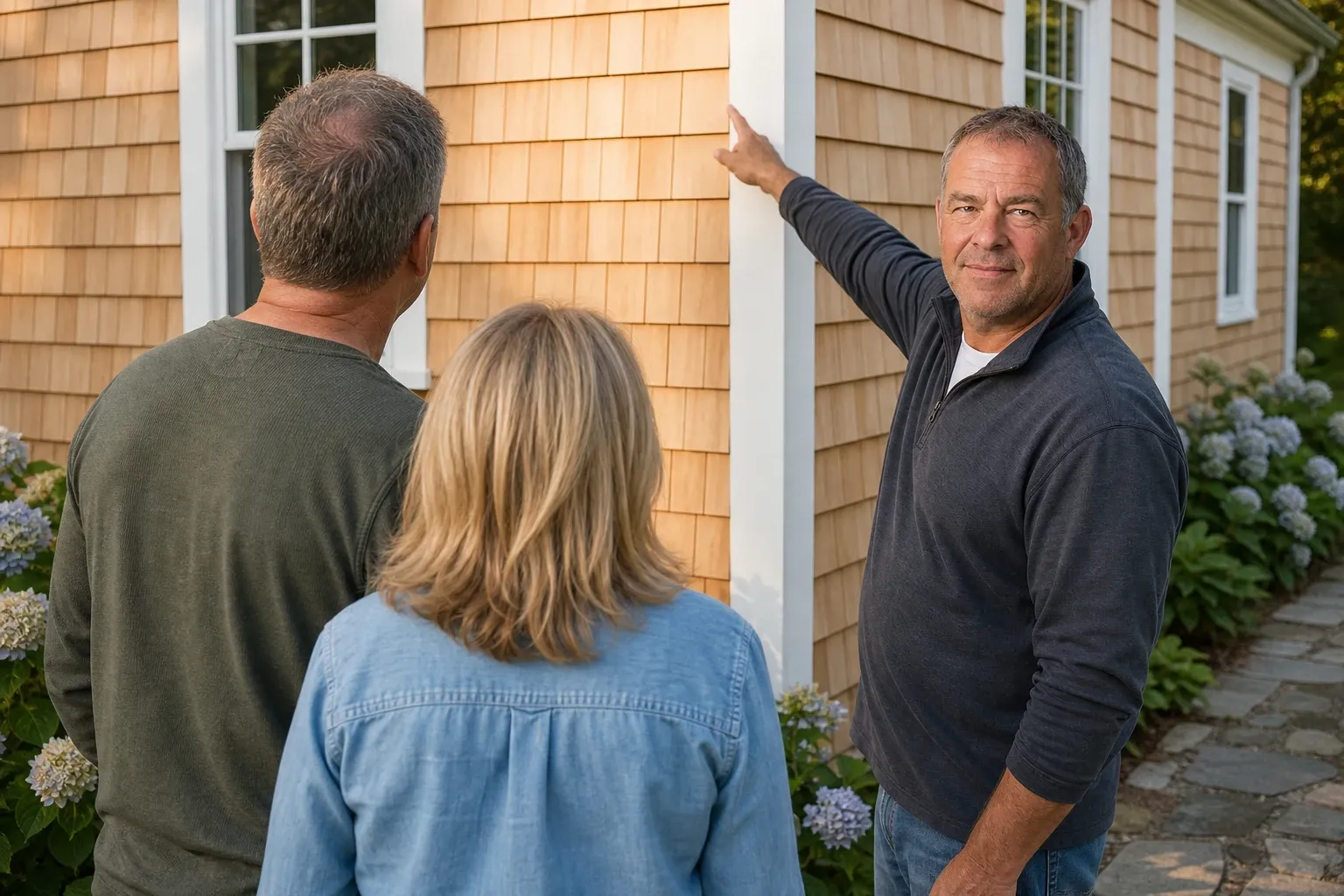
On the last day Jeff walks the whole house with you, looking at corner boards, window flashing and the cut ends of every trim piece. Anything you point out gets talked through right there on the lawn.
Which Side of Your House Should Jeff See First?
Tell Jeff the town, what is on the walls now and which side worries you most. He will set up a visit to walk every wall with you.